Alexa Seleno
@alexaseleno

Improving Surface Finish in Cylindrical and Internal Grinding

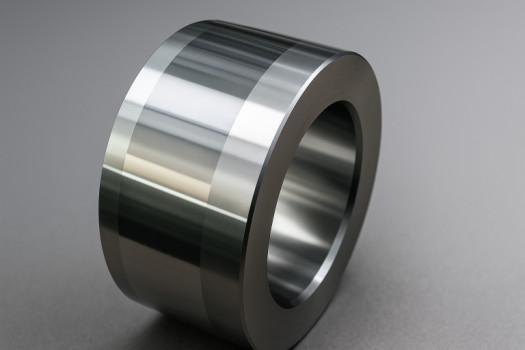
Cylindrical metal component with dual surface finishes on smooth gray background

April – 2026

Achieving superior surface finish in cylindrical and internal grinding is critical for precision components used in automotive, aerospace, and engineering industries. At Elitech Machine Tools, we provide advanced grinding solutions designed to deliver consistent accuracy, improved productivity, and excellent surface quality.


🔹 Understanding Surface Finish in Grinding

Surface finish in grinding is commonly measured in Ra values. Lower Ra values indicate smoother surfaces:

  • 0.4 Ra → Fine grinding finish
  • 0.2 Ra → High-precision super finish

Achieving these finishes depends on the right combination of machine capability, grinding wheel, and process parameters. Our Cylindrical Grinding Machines are engineered to meet these demanding surface finish requirements.


🔹 1. Optimizing Grinding Parameters

Adjusting grinding parameters is the most effective way to improve surface finish.

Key Adjustments:

  • Increase wheel speed (within safe limits)
  • Reduce feed rate for finer finish
  • Lower depth of cut during final passes
  • Increase spark-out or dwell time

Modern CNC Cylindrical Grinding Machines allow precise control of these parameters, ensuring repeatability and consistent surface quality.

For bore finishing applications, our Internal Grinding Machines provide excellent control over work speed and in-feed rates, which is critical for achieving fine internal surface finishes.


🔹 2. Grinding Wheel Selection and Dressing

The grinding wheel plays a major role in determining surface finish.

Best Practices:

  • Use finer grit size for smoother finish
  • Select proper bond type (vitrified preferred for precision)
  • Perform regular dressing to avoid glazing

Reducing dressing depth and traverse speed results in a smoother wheel face, which directly improves the workpiece finish.


🔹 3. Coolant Application and Filtration

Proper coolant delivery ensures:

  • Effective heat dissipation
  • Removal of grinding chips
  • Prevention of surface scratches

A well-designed coolant system, like those integrated into Elitech grinding machines, helps maintain consistent performance. You can explore our full range of solutions on the Elitech homepage.


🔹 4. Machine Condition and Stability

Machine condition has a direct impact on surface finish quality.

Important Factors:

  • Wheel balancing to prevent vibration
  • Machine rigidity for stable operation
  • Proper alignment of workpiece and centers

Our machines are built with high structural rigidity and precision components to ensure vibration-free grinding and consistent results.


🔹 5. Achieving Better Surface Finish in OD & ID Grinding

For Cylindrical (OD) Grinding:

  • Reduce feed rate and depth of cut
  • Increase spark-out passes
  • Maintain proper wheel dressing

For Internal (ID) Grinding:

  • Reduce workpiece RPM
  • Increase dwell time
  • Use oscillation in plunge grinding

Using the right machine is critical—our Internal Grinding Machines are specifically designed for high-precision bore finishing.


🔹 6. Applications Across Industrial Cities

Elitech Machine Tools supplies high-performance grinding machines across major manufacturing hubs in India. If you are looking for solutions in your region, explore our city-specific pages:

These locations represent key industrial zones where precision grinding solutions are in high demand.


🔹 Conclusion

Improving surface finish in cylindrical and internal grinding requires a balanced approach involving:

  • Optimized grinding parameters
  • Proper wheel selection and dressing
  • Efficient coolant application
  • Stable and well-maintained machines

At Elitech Machine Tools, we offer advanced grinding technology to help manufacturers achieve superior surface finishes with high efficiency.

👉 Need expert guidance or machine selection support?
Connect with us through our Contact Page today.
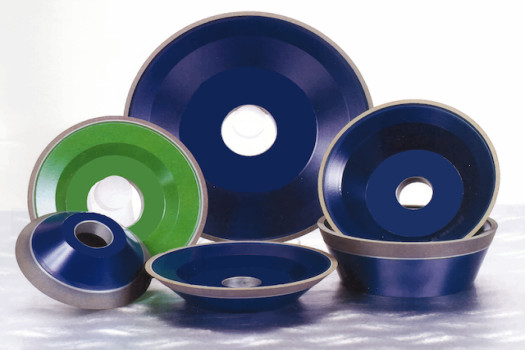
CBN vs Diamond Grinding Wheel: Complete Comparison & Applications

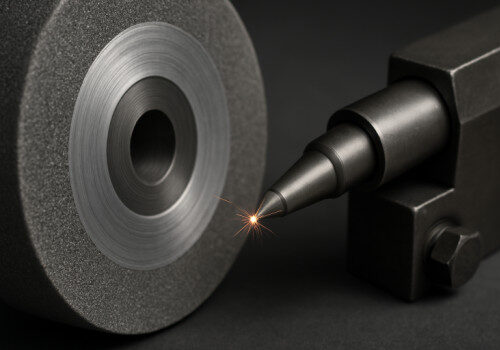
"CBN grinding wheel cutting metal workpiece"
April – 2025

Choosing the right grinding wheel is critical for achieving high precision, longer tool life, and superior surface finish. Additionally, selecting the correct wheel improves overall grinding efficiency and consistency. Therefore, selecting the right grinding machine plays a key role in achieving optimal results.

At Elitech Machine Tools, our advanced grinding solutions are designed to deliver optimal performance with the right wheel selection for every application. This guide will help you understand the difference between CBN and diamond grinding wheels and how to choose the right one.


🔹 What is a CBN Grinding Wheel?

A CBN (Cubic Boron Nitride) grinding wheel is a superabrasive tool specifically designed for machining ferrous materials such as hardened steel. Moreover, manufacturers widely use CBN wheels for grinding hardened steel due to their excellent thermal stability.

✅ Key Features:

  • High thermal resistance
  • Excellent wear resistance
  • Maintains sharp cutting edges
  • Ideal for high-speed grinding

🔧 Applications:

CBN wheels are widely used in:

  • Hardened steel grinding
  • Automotive components
  • Bearing manufacturing

They are commonly used with cylindrical grinding machines for achieving consistent accuracy and surface finish.


🔹 What is a Diamond Grinding Wheel?

A diamond grinding wheel uses industrial diamonds as abrasive particles and is best suited for non-ferrous and hard materials. In contrast, diamond wheels perform better when machining non-ferrous and brittle materials such as carbide and ceramics.

✅ Key Features:

  • Extremely high hardness
  • Superior cutting ability
  • Ideal for brittle materials
  • Excellent dimensional accuracy

🔧 Applications:

Diamond wheels are used for:

  • Carbide tools
  • Ceramics and glass
  • Composites and non-metal materials

These wheels are often used in precision applications involving internal grinding machines, where high surface finish is required.


🔹 CBN vs Diamond Grinding Wheel (Key Differences)

However, selecting between CBN and diamond grinding wheels depends on the material and application requirements.

Feature CBN Wheel Diamond Wheel
Best for Ferrous materials (steel) Non-ferrous materials (carbide, ceramics)
Thermal stability Very high Moderate
Wear resistance High Very high
Chemical reaction with iron No Yes (not suitable for steel)
Surface finish Excellent Superior for hard materials

🔹 When to Use CBN vs Diamond Grinding Wheel

👉 Use CBN Grinding Wheel When Working with Hardened Steel. Additionally, they Perform well in High-temperature Applications.:

  • Grinding hardened steel
  • High-temperature applications
  • Continuous production environments

👉 On the Other Hand, Use Diamond Grinding Wheels for Carbide and Ceramic Materials.

  • Grinding carbide or ceramics
  • Non-ferrous materials
  • High-precision finishing applications

Selecting the correct wheel directly impacts surface finish. You can learn more in our detailed guide on improving surface finish in cylindrical and internal grinding. In contrast, the performance of diamond wheels differs significantly when used on non-ferrous materials.


🔹 Impact on Surface Finish

Both CBN and diamond grinding wheels play a crucial role in achieving fine surface finishes such as:

  • 0.4 Ra → Fine grinding finish
  • 0.2 Ra → High-precision super finish

When combined with optimized parameters and the right machine, these wheels help deliver consistent results. Our CNC Cylindrical Grinding Machines allow precise control of grinding parameters to achieve these finishes.


🔹 Machine Compatibility and Performance

The performance of grinding wheels also depends on machine capability. Therefore, using advanced CNC grinding machines ensures better control and consistency. At Elitech Machine Tools, we offer advanced grinding solutions designed for both CBN and diamond applications.

Explore our solutions across key industrial locations:


🔹 How to Choose the Right Grinding Wheel

When selecting between CBN and diamond grinding wheels, consider:

  • Workpiece material (ferrous vs non-ferrous)
  • Required surface finish
  • Production volume
  • Machine capability

Choosing the wrong wheel can lead to poor finish, higher wear, and increased costs. Additionally, proper grinding parameters improve consistency and surface finish in precision applications.


🔹 Conclusion

In conclusion, understanding the difference between CBN and diamond grinding wheels helps manufacturers make better decisions. Finally, selecting the right wheel based on material and application ensures optimal performance and surface finish.

  • Use CBN wheels for steel and high-temperature applications
  • Use diamond wheels for carbide and non-ferrous materials

At Elitech Machine Tools, we help manufacturers select the right grinding solutions to achieve superior performance and surface finish. Finally, choosing the correct grinding wheel ensures better productivity and longer tool life.

👉 Looking for expert guidance or the right grinding machine?
Contact us through our Contact Page today.


🔹 FAQ (SEO Booster)

Q: Can diamond grinding wheels be used on steel?

No, diamond reacts with iron at high temperatures, leading to rapid wear.

Q: Why is CBN preferred for steel grinding?

CBN offers excellent thermal stability and does not react with ferrous materials, making it ideal for steel.

Q: Which wheel gives better surface finish?

Both can achieve excellent finishes, but the choice depends on the material being ground.

Grinding Wheel Dressing Tips: Improve Performance & Surface Finish

April – 2025

Grinding wheel dressing is a critical process for maintaining grinding efficiency, achieving superior surface finish, and extending wheel life. In modern manufacturing, proper dressing and truing techniques ensure consistent performance and precision.

At Elitech Machine Tools, we provide advanced grinding solutions designed to deliver high accuracy and optimal surface quality across industries.


🔹 What is Grinding Wheel Dressing?

Grinding wheel dressing is the process of sharpening the wheel by removing dull abrasive grains and exposing fresh cutting edges.

Additionally, dressing helps:

  • Restore cutting ability
  • Improve surface finish
  • Reduce grinding forces

Proper dressing ensures the wheel performs efficiently in operations carried out on cylindrical grinding machines and other precision equipment.


🔹 What is Truing in Grinding?

Truing restores the shape and geometry of the grinding wheel.

In contrast to dressing:

  • Dressing sharpens the wheel
  • Truing corrects wheel alignment and roundness

Therefore, both processes are essential for achieving high accuracy and consistent grinding results, especially in CNC cylindrical grinding machines.


🔹 Importance of Grinding Wheel Dressing

Grinding wheel dressing directly impacts productivity and quality.

Moreover, proper dressing:

  • Improves surface finish
  • Reduces vibration and chatter
  • Enhances dimensional accuracy
  • Increases wheel life

As a result, manufacturers achieve better performance and lower operational costs.

To understand how dressing affects finish quality, read our detailed guide on
👉 improving surface finish in grinding.


🔹 Types of Dressing Tools

Selecting the right dressing tool is equally important.

👉 Common Types:

  • Single-point diamond dresser
  • Multi-point diamond dresser
  • Rotary diamond dresser

Additionally, each tool offers different levels of precision and wear resistance depending on the application.


🔹 Grinding Wheel Dressing Tips (Best Practices)

Follow these practical tips to improve grinding performance:

✅ 1. Use Correct Dressing Parameters

Use appropriate feed rate and depth of cut. Lower values produce a smoother wheel surface.

✅ 2. Maintain Proper Dressing Frequency

Dress the wheel regularly to avoid loading and glazing.

✅ 3. Optimize Dressing Speed

Additionally, slower dressing speeds improve surface finish quality.

✅ 4. Ensure Proper Coolant Application

Coolant helps remove debris and prevents overheating during dressing.

✅ 5. Use the Right Dressing Tool

Select a suitable diamond dresser based on material and grinding operation.


🔹 Do’s and Don’ts of Diamond Dressing Tools

✔ Do’s:

  • Use proper mounting and alignment
  • Maintain consistent dressing parameters
  • Inspect the dresser regularly

❌ Don’ts:

  • Avoid excessive dressing depth
  • Do not use worn-out dressers
  • Avoid improper alignment

🔹 Machine Compatibility and Performance

Grinding performance depends not only on the wheel but also on machine capability.

Therefore, using high-quality machines ensures better results. At Elitech, our solutions support precise dressing and grinding operations, including:


🔹 Benefits of Proper Grinding Wheel Dressing

Proper dressing delivers multiple advantages:

  • Better surface finish (up to 0.2 Ra)
  • Improved grinding efficiency
  • Reduced machine vibration
  • Longer wheel life
  • Consistent dimensional accuracy

Finally, these benefits lead to higher productivity and reduced costs.


🔹 Conclusion

In conclusion, grinding wheel dressing plays a vital role in achieving precision, efficiency, and surface quality in grinding operations.

Additionally, combining proper dressing techniques with advanced machines ensures optimal results. At Elitech Machine Tools, we help manufacturers improve grinding performance with reliable and high-precision solutions.

👉 Looking to improve your grinding process?
Get expert guidance through our Contact Page today.


🔹 FAQ

Q: What is grinding wheel dressing?

Grinding wheel dressing sharpens the wheel by removing dull grains and exposing fresh abrasives.

Q: Why is dressing important in grinding?

It improves surface finish, reduces vibration, and increases grinding efficiency.

Q: What is the difference between dressing and truing?

Dressing sharpens the wheel, while truing restores its shape and alignment.